
I have always wondered why patent search is hardly used outside of legal. It is a $1.2 billion industry, but it could be much bigger. Some feel the area is too specialised, or that patents are too difficult to retrieve.
For a very long time patents have been the bastion of legal teams. They have been a moat that companies use in defence, or to beef up their value. Most tools have barely changed in decades, because they are built for people whose job is search.
The information is there. Getting to it is the problem.
Inside that huge repository of documents is information that is crucial to decision making. Information that can drive company strategy. Information that can invalidate a competitor's patent. It is hard to come by, because it requires the manual effort of combing through thousands of patent documents to find the ones of interest.
I know, because that is what I did. Fifteen of my twenty years in the industry were spent on exactly this work. I read thousands of patents, worked with hundreds of inventors, and drove decisions on IP strategy.
Why good references get thrown away
Today's tools rank results by keyword density, not technical relevance. Even when a strong reference surfaces near the top, the searcher still has to locate the relevant context buried inside the document.
Titles and abstracts can be misleading. A patent might look irrelevant at first glance but contain the smoking gun deep in the claims or the description. Searchers discard these references every day, and that is how critical prior art gets missed.
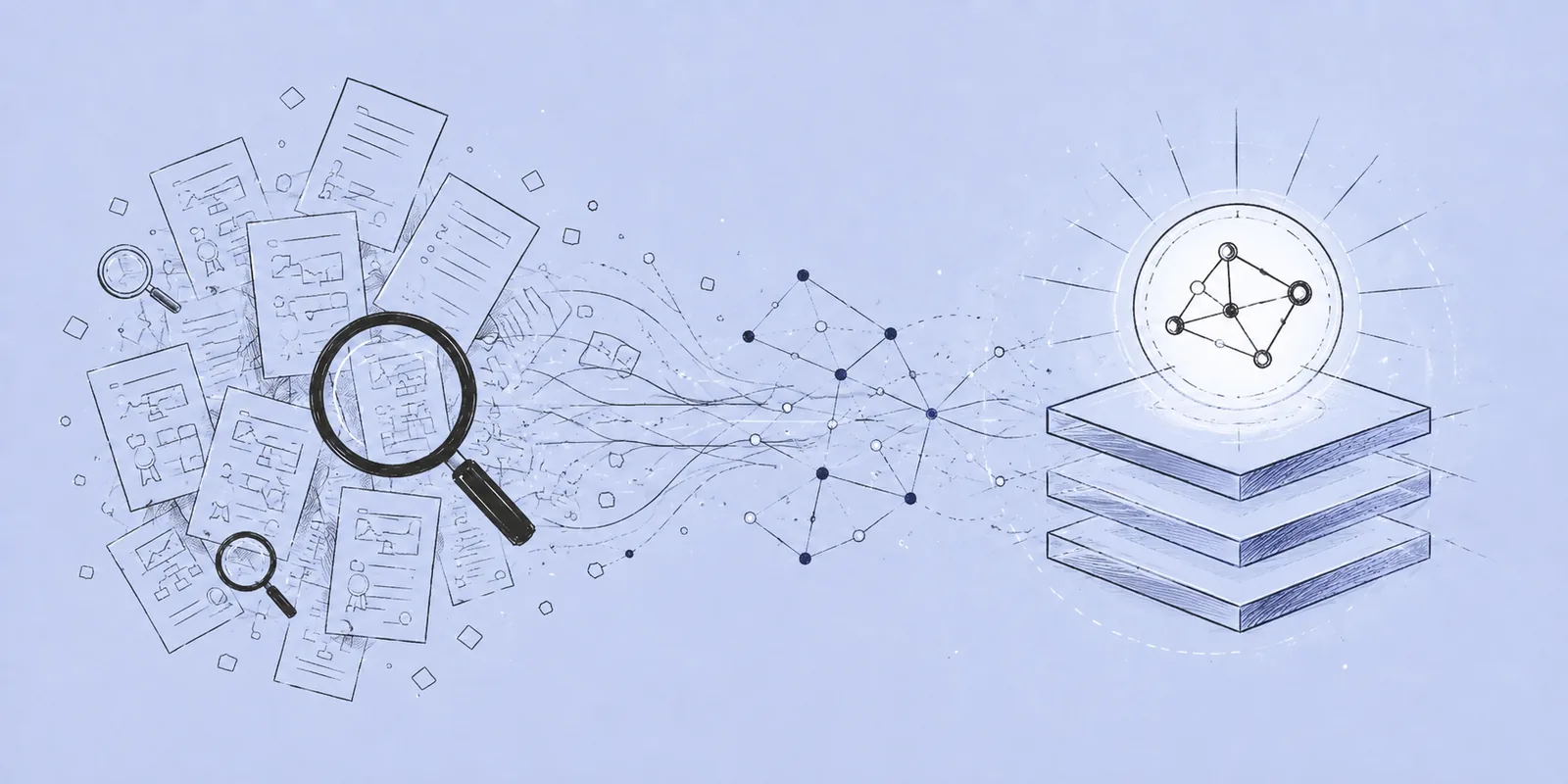
So we rebuilt the search process from the ground up using the latest AI models, which means retrieval is not limited to keyword matching alone. The result is stronger context matching and better precision. Less noise, less Excel, and more time on the work that actually matters.
The question behind Strata
Throughout all of this I kept asking the same thing. What if it were possible to get the insights I needed quickly, straight from the data set? What if I could hand my CTO something they could browse themselves and find what they needed? What if questions inside the data could be answered quickly and easily?
That what if was the genesis of Strata IP.
The interesting part is that whether the purpose is research or legal support, the data required goes beyond patents. It sits in patents and publications, and sometimes in blogs and white papers. That is the whole reason for building this tool: to get to actionable insight faster.
Whether you are an analyst, a lawyer, a researcher or a technology head, if you have questions about the technology space you work in, Strata has the answers.